An Open Class on “Video Lessons and Multimedia” Was Held
2026-10-19
An Open Class on “Video Lessons and Multimedia” Was Held
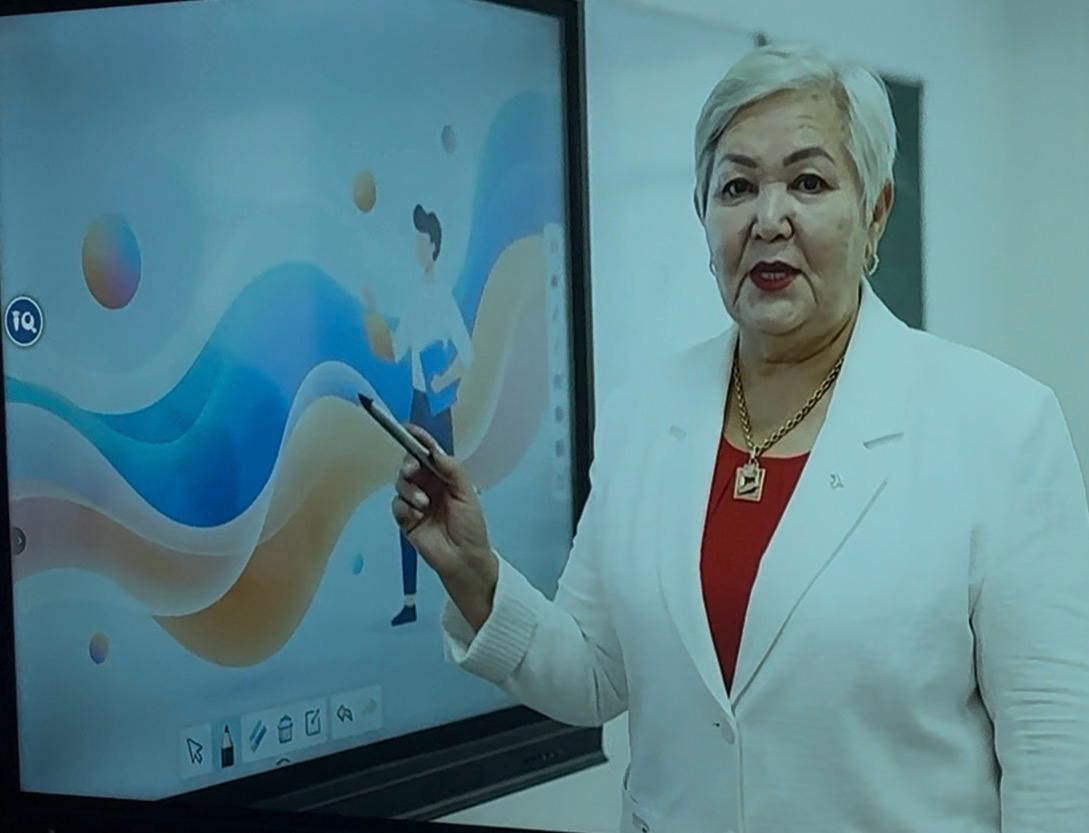
On 19 October 2026, an open class on “Video Lessons and Multimedia” was held at the Department of Preschool and Primary Education of Z.A. Tashenev University. The class was organised for master’s students in group M-1301-26 of the 7M01301 educational programme, “Pedagogy and Methodology of Primary Education,” as part of the course “Digital Technologies in the Educational Process of Higher Education.” The open lecture was delivered by Rabiga Ibrahimkyzy Kenzhebekova, Candidate of Pedagogical Sciences, Professor, and Academician of the Academy of Pedagogical Sciences of Kazakhstan..
Photo 1. A Moment from the Open Class on “Video Lessons and Multimedia” Rabiga Ibrahimkyzy Kenzhebekova, Candidate of Pedagogical Sciences and Professor, explains to master’s students the pedagogical potential of using digital learning materials effectively.
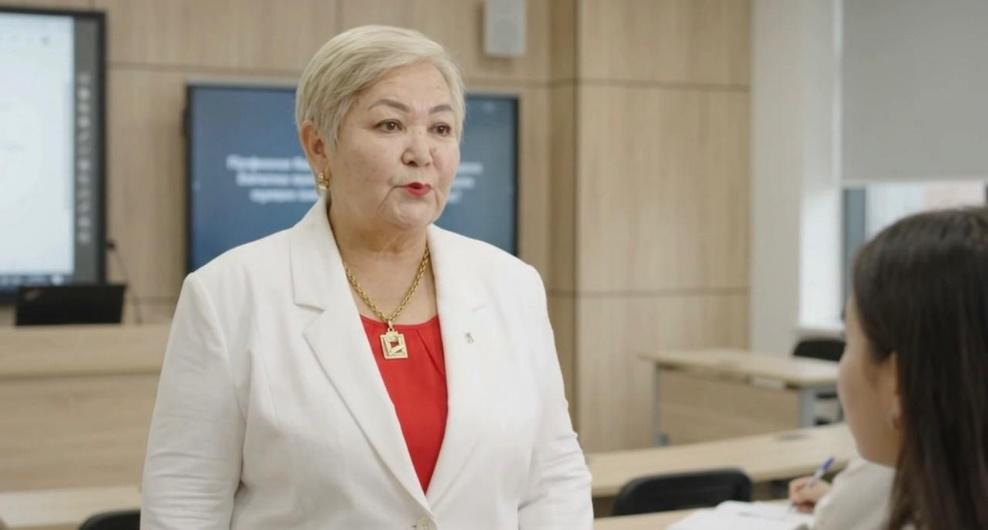
Photo 2. Interaction Between the Teacher and the Learner
This moment of explanation and direct classroom communication illustrates the teacher’s guiding role in the learning process. In the flipped classroom approach, classroom time is devoted to developing a deeper understanding of previously studied material, discussing questions that have arisen, and applying knowledge in practice. In this context, video lessons complement interaction with the teacher and provide a basis for meaningful discussion. Listening attentively to learners’ responses, asking clarifying questions, and providing timely feedback help learners develop a clear understanding of the topic.
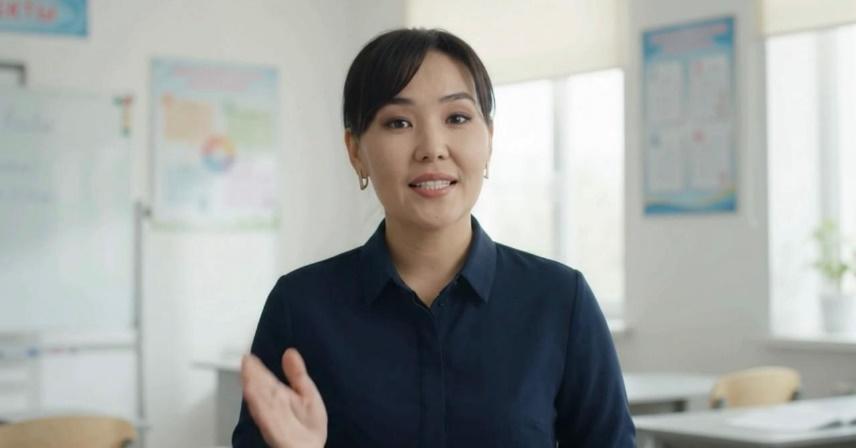
Photo 3. Presenting Learning Content Through Video
This frame of a speaker addressing the camera illustrates one way of communicating learning content through video. Clear speech, a logical sequence of ideas, eye contact with the audience, and a well-composed frame are important elements of a video lesson. A video designed around a learning objective allows learners to process information at their own pace, revisit relevant sections, and note key ideas. Adding questions and short tasks turns the video into a tool for active learning.
Photo 4. Explaining and Analysing Ideas Through Dialogue
The image depicts an interaction based on dialogue and attentive listening. Dialogue-based videos enable learners to consider an issue from different perspectives, compare participants’ views, and justify their own conclusions. After watching such a clip, learners can be asked to identify the main issue, provide evidence to support a statement, or propose a solution to the situation. This approach combines multimedia viewing with meaningful discussion and creates opportunities to develop critical thinking and communication skills.
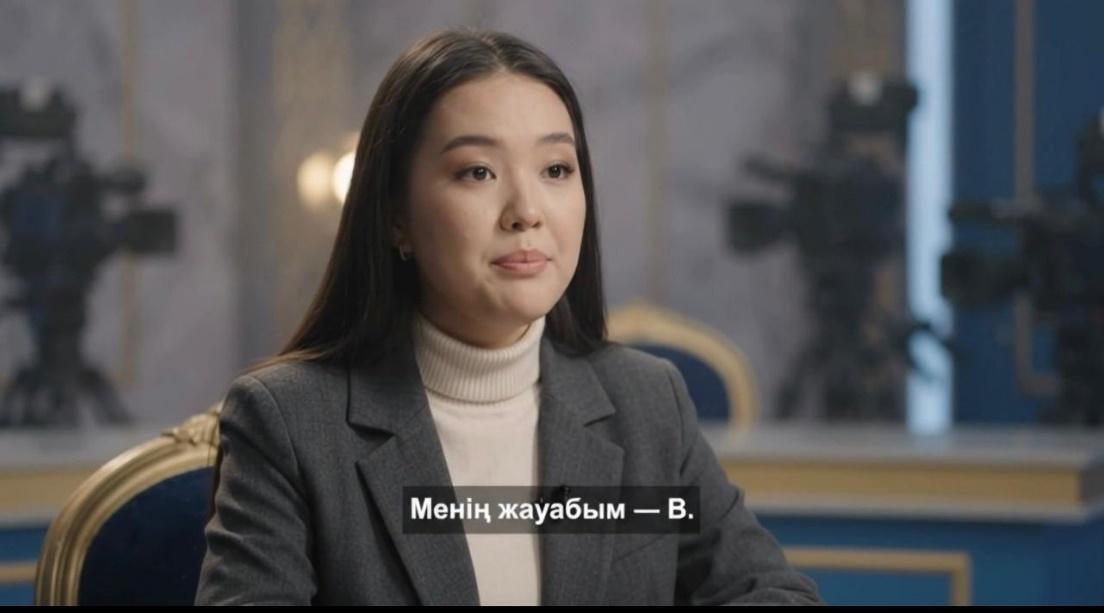
Photo 5. Choose Your Answer and Justify Your Thinking!
Answering questions based on video content helps learners focus their attention, develop critical thinking, and strengthen their ability to justify their opinions.
The class explored teaching approaches to using digital resources effectively, supporting master’s students’ independent learning, and increasing their active engagement in learning.
The open class aimed to deepen master’s students’ knowledge of digital pedagogy, develop their skills in creating and using multimedia learning materials, and enhance their professional preparation.мультимедийных учебных материалов, а также совершенствование их профессиональной подготовки.
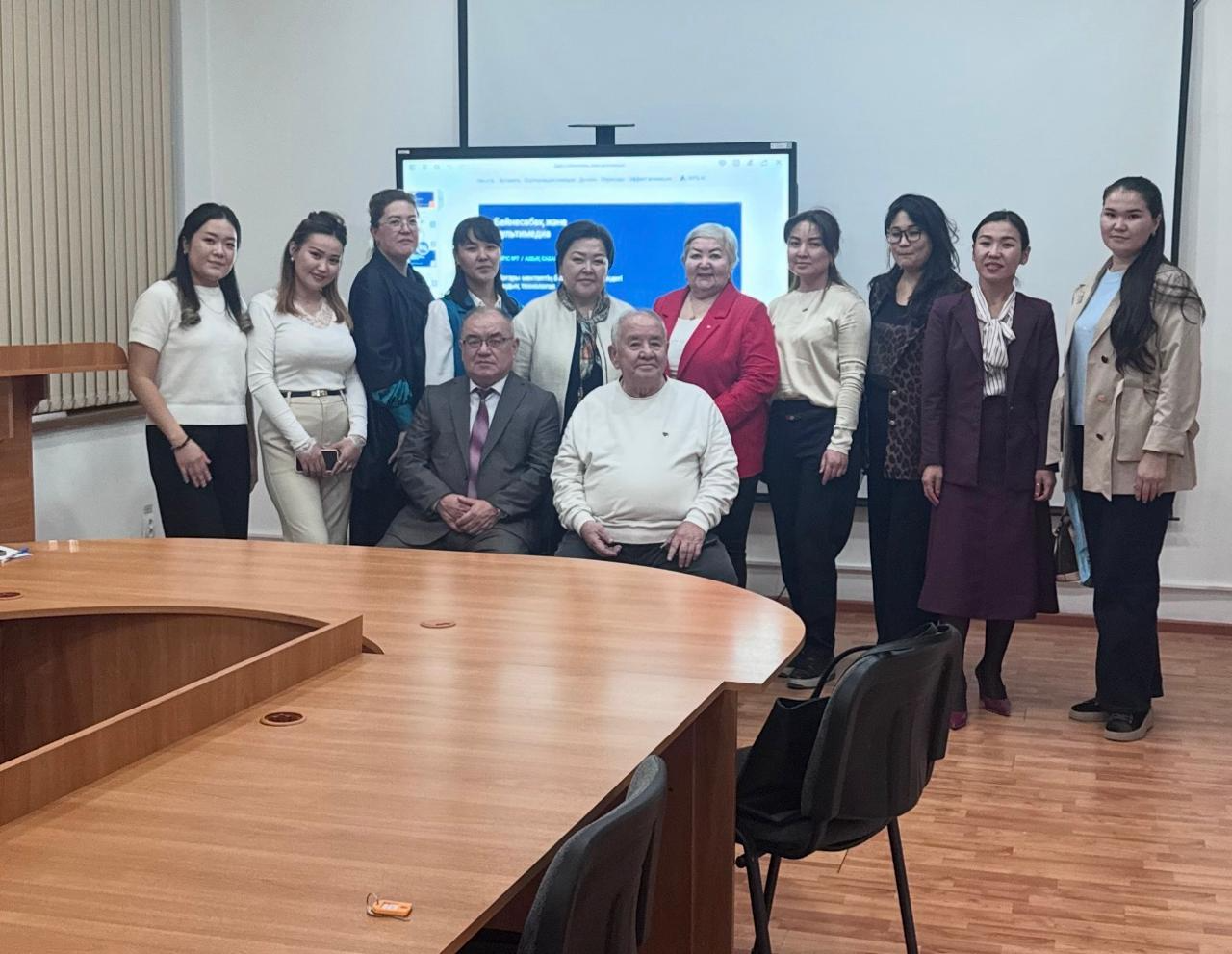
Photo 6. An Open Class as a Forum for Sharing Professional Experience
A commemorative photograph of the participants in the open class on “Video Lessons and Multimedia.” Bringing teachers and learners together highlights the sharing of pedagogical experience across generations and the importance of professional collaboration. Such meetings provide opportunities to explore the potential of digital learning tools, exchange teaching ideas, and improve instructional practice. The value of an open class lies both in introducing new technologies and in discussing how to use them effectively to organise and support learners’ cognitive activity..